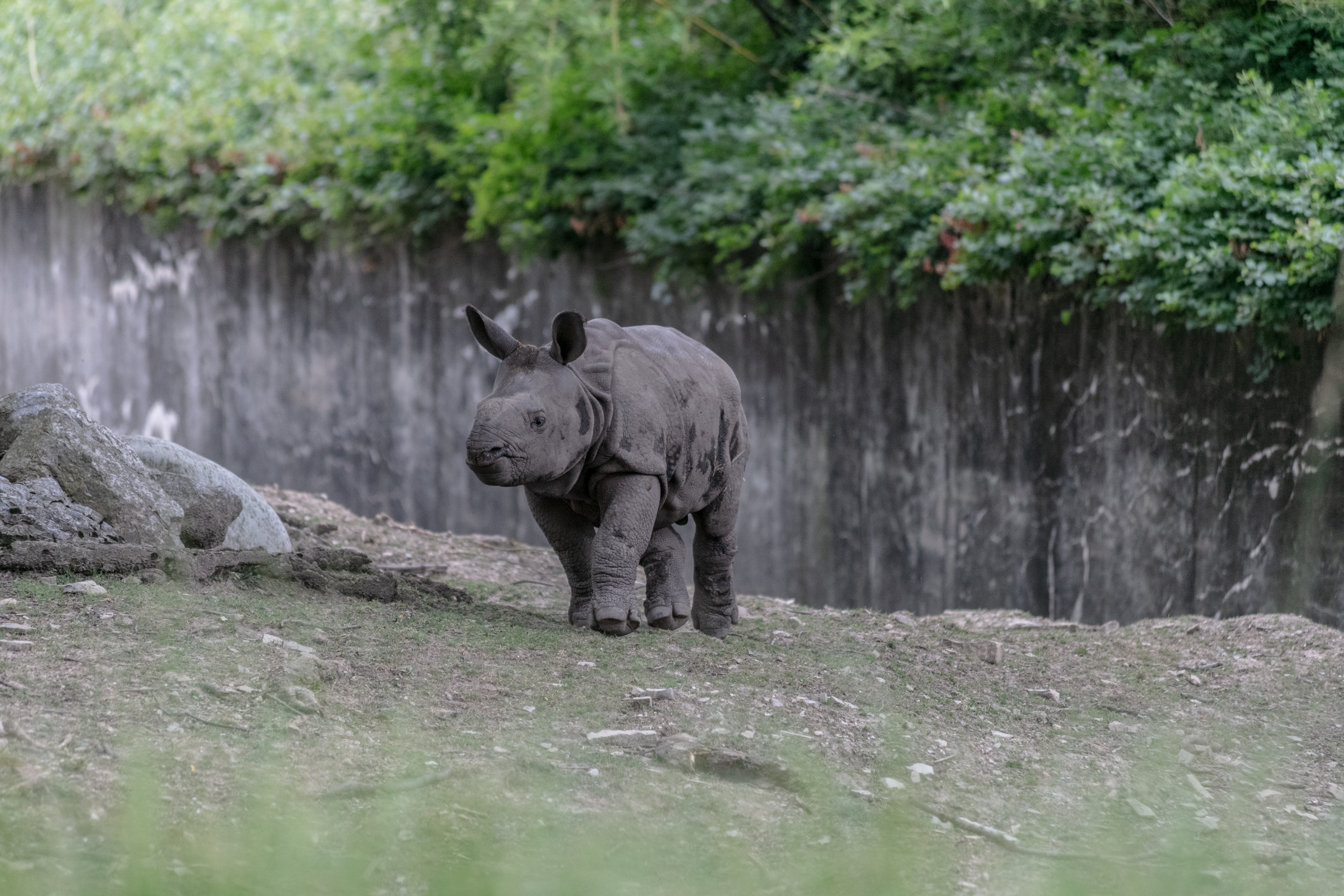
Kaziranga National Park, a UNESCO World Heritage Site in Assam, is globally renowned as the last stronghold of the Great Indian One-Horned Rhinoceros. Home to over 2,600 rhinos, which represents more than two-thirds of the world's population, the park offers an unparalleled opportunity to witness these prehistoric-looking giants in their natural habitat. A Rhino Tour in Kaziranga is more than just a safari; it's a journey into one of the most successful wildlife conservation stories in history.
The Great Indian One-Horned Rhinoceros is the star attraction of Kaziranga. Unlike other parks where sightings can be rare, the vast open grasslands and swampy marshes of Kaziranga make spotting rhinos almost a certainty. The Rhino Tour is specifically designed for wildlife enthusiasts and photographers who want to focus on observing these magnificent creatures up close, understanding their behavior, and capturing their presence against the backdrop of the Brahmaputra floodplains.
While rhinos can be found across all four ranges of the park, two zones are particularly famous for their high density and easy visibility.
Known as the 'Rhino Capital' of the park, the Bagori range has the highest concentration of rhinos. The landscape here is a mix of green grassland patches and numerous watering holes (Beels) where rhinos frequently congregate to wallow and feed. It is considered the best location for close-range sightings.
The Central Range offers a stunning view of the park's topography. Its expansive grasslands and wetlands provide a perfect habitat for large herds of rhinos. The open nature of this zone allows for great long-range visibility, making it a favorite for photographers aiming for wide-angle shots of rhinos in their environment.
To see the rhinos, tourists can choose between two primary modes of transport, each offering a unique perspective.
An elephant safari is perhaps the most iconic way to see a rhino. Elephants can move through the tall elephant grass where vehicles cannot go. Interestingly, rhinos are not intimidated by elephants, allowing you to get incredibly close—often within just a few meters—offering a truly intimate wildlife experience.
A Jeep safari allows you to cover more ground and visit different parts of the park in a single session. It is ideal for those who want to see rhinos in various settings, from the riverbanks to the deep interiors of the forest. The elevated position in the Jeep provides a safe and comfortable way to observe rhinos for longer durations.
The best time to embark on a Kaziranga Rhino Tour is from November to April. During the winter months, the grass is shorter, making it much easier to spot rhinos from a distance. In the early mornings, rhinos are often seen near the water bodies, creating perfect opportunities for photography in the soft morning light.
A Kaziranga Rhino Tour is an experience of a lifetime. Standing before a creature that has remained unchanged for millions of years, in a forest as wild and beautiful as Kaziranga, is a humbling experience. Whether you choose the silence of an elephant ride or the adventure of a Jeep safari, the sight of a one-horned rhino grazing peacefully in the Assamese mist will stay with you forever.