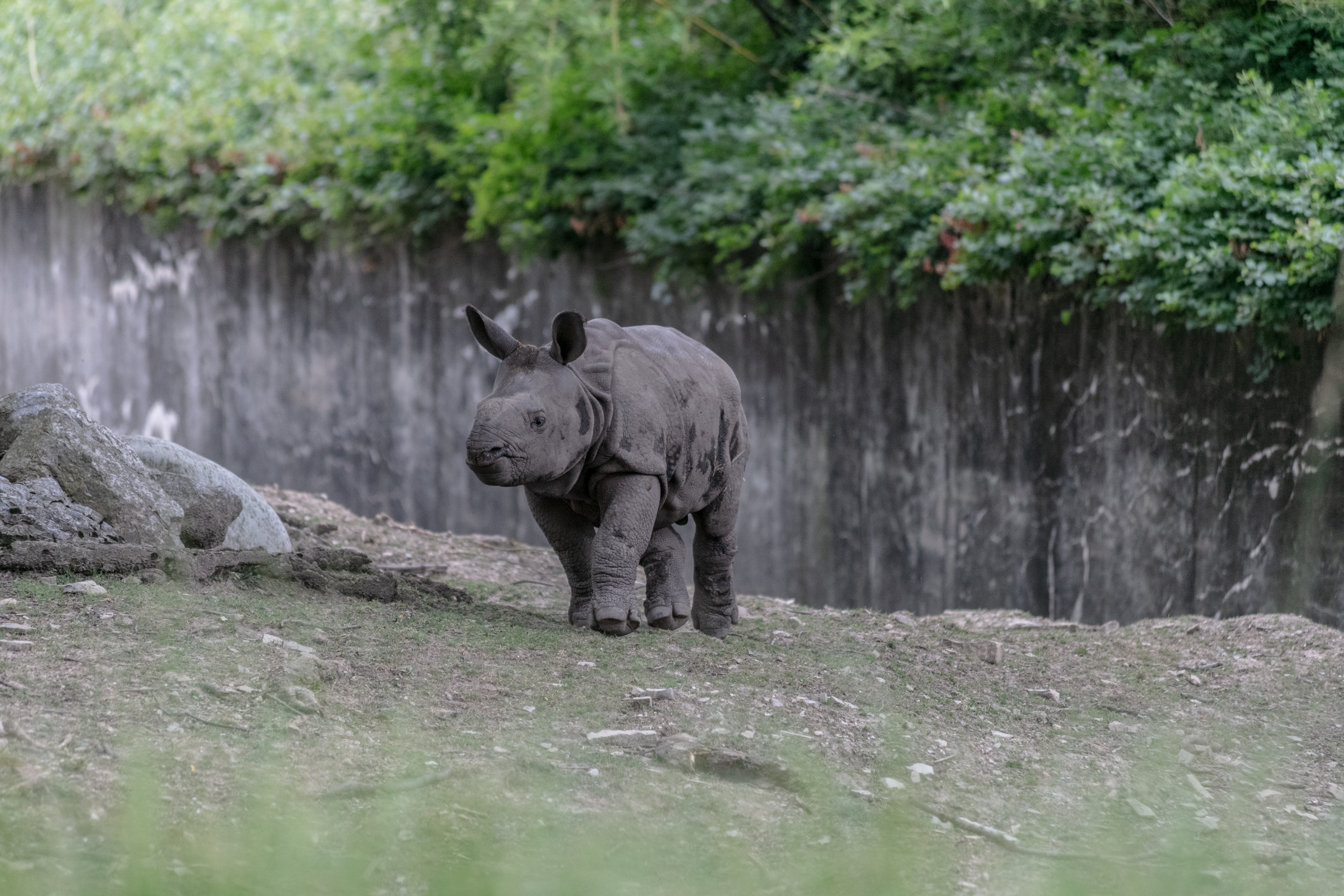
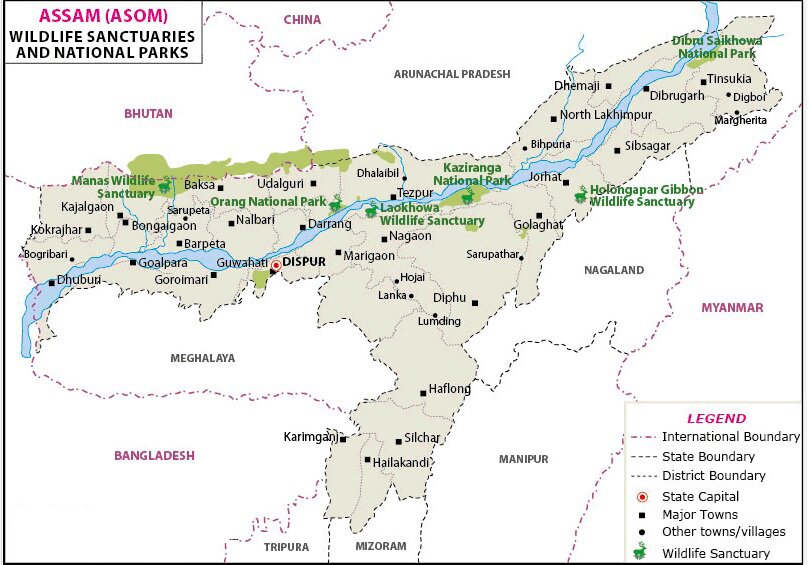
Kaziranga National Park is among the most famous wildlife reserves in the world. It occupies a large area in the northeast of Assam, India. Kaziranga has approximately one-third of the remaining population of one-horned rhinoceros in the world. The Brahmaputra River borders it from the north, and the Mora Diphlu River to the south. This gem of the Northeast crosses the Golaghat, Nagaon, and Sonitpur districts of Assam. There are over 30 species of animals and 400 migratory and native bird species here. It is made up of grasslands, marshlands, and woodlands nourished by the Brahmaputra River. It is home to the dolphin of the Ganges River. You can also find endangered species such as tigers, elephants, wild water buffalo, and bears here. It is also an important site for migratory birds. A Kaziranga National Park booking will help you secure your safari in advance and have a great wildlife experience. Compared to other Indian wildlife reserves, Kaziranga has developed in wildlife conservation. The park has great species variety, and it is situated on the periphery of the Eastern Himalaya biodiversity hotspot.
Kaziranga National Park was designated a UNESCO World Heritage Site in 1985. The park is approximately 430 square kilometres. It lies on the Karbi (Mikir) Hills and the Brahmaputra River. Kaziranga Proposed Reserve Forest was set up on 1st June, 1905. The Assam National Park Act was passed in 1968, and it was designated as a national park. It is a conserved area filled with natural beauty and various plants and wildlife. The park is home to the elephants, wild water buffalo, and swamp deer that breed in the park. As of March 2022, the population of the famous one-horned rhinoceros was 2,613. The population of the tigers in Kaziranga has also increased over time. Therefore, it was declared a Tiger Reserve in the year 2006. White-fronted goose, Baer's pochard duck, black-necked stork, and Asian Openbill stork migrate into Central Asia during the winter period.
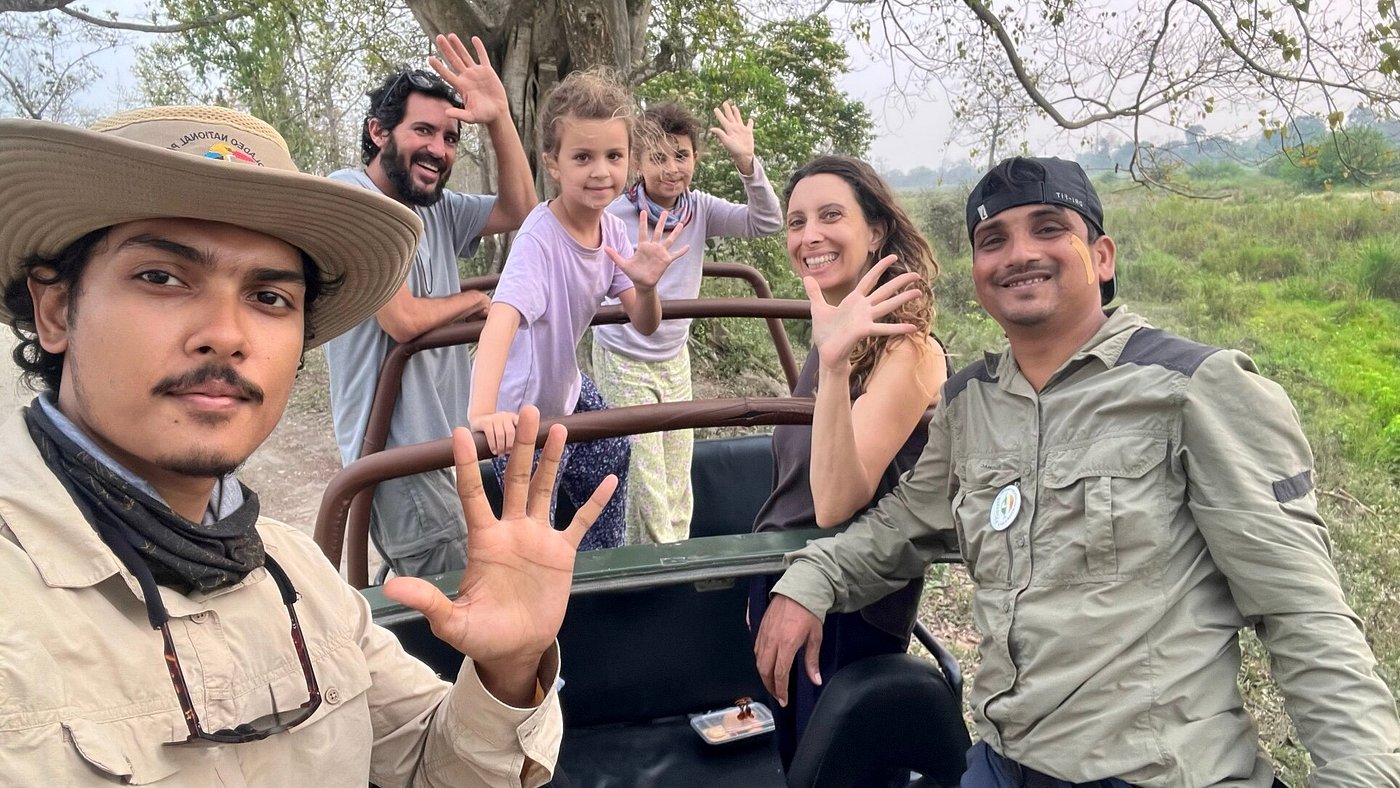
A great way to enjoy this nation is in the jungles of Kaziranga by jeep safari. The open safari jeep will hold 6 tourists at a time, providing a chance to see and experience the wildlife. The jeep safari offers a unique way to explore the forest and provides a safe environment to enjoy its beauty. Additionally, the thrill of seeing the park's beautiful, vibrant wildlife is easily achieved while riding in a jeep safari.
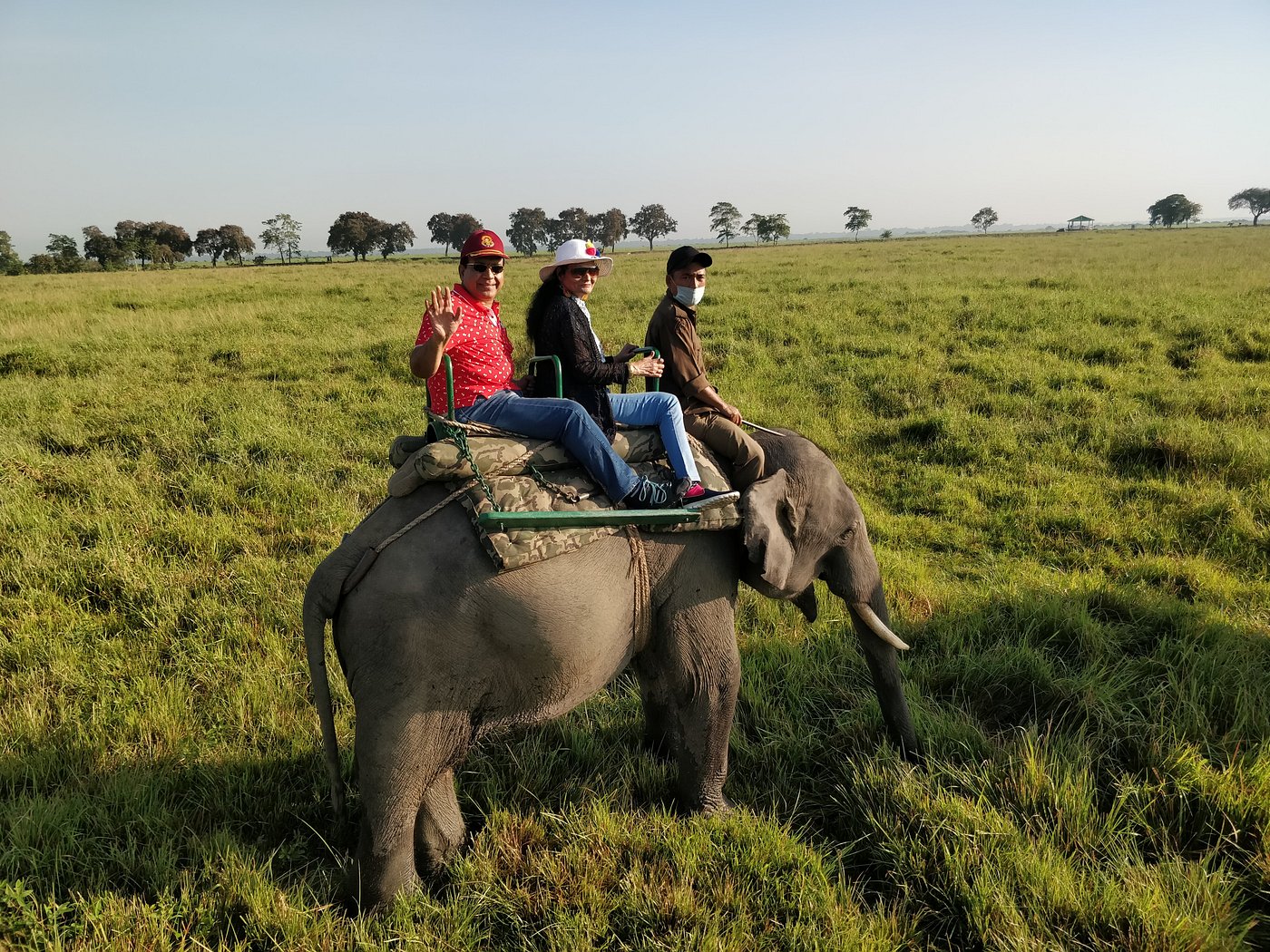
Elephant rides through the dense jungle of Kaziranga are among the many attractions of Kaziranga National Park. They allow one of the most unique ways for tourists to see the park. You are guaranteed an incredible ride and amazing views of the animals and birds. You will have a wonderful time in the jungle on an elephant and a close interaction with the wildlife.
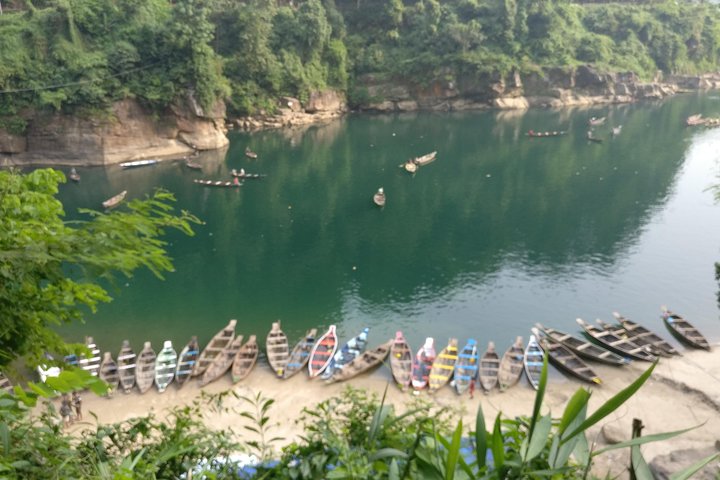
The Kaziranga boat safari allows one to see forest life from an entirely different perspective. It is located in the Agoratoli range of the Kaziranga National Park. You can also see the famous one-horned rhino because they come to the riverbanks regularly for a drink of water. The riverbank scenery is breathtaking, and there are several birds to see. The boat safari accommodates up to two people. Therefore, it is suggested that you arrange for an entire boat to ensure that you and your loved one experience a private safari. .
.jpg)
Make sure to come see the amazing cultural show when visiting Kaziranga National Park. These traditional song and dance performances are full of culture and fun for everyone. Most performances run from 6 pm until 8:30 pm. You will surely enjoy this unique cultural activity during your tour.
Kaziranga National Park is a very beautiful and wild looking park situated in Assam. It derives its name from the Kaziranga Range of hills. The park is renowned for its rugged terrain, dense forests and phenomenal wildlife. It is a secure home for a tiger, leopard, Indian wild dog, sloth bear, Indian bison (gaur) and a multitude of birds.
Kaziranga National Park is a real representation of conservation success. The park is popular for protecting most of the unique species and also the endangered one-horned rhinoceros. It plays a major role in the conservation of Indian biodiversity. It is a sanctuary for the elephants, tigers, wild buffalo, and birds. Conservation efforts have led to the development of the wildlife population over the years. So, Kaziranga is a global example of good wildlife conservation. The park supports many types of life due to its balanced environment. This consists of marshes, grasslands, and woodlands. This park provides a unique opportunity to enjoy this wonderful natural environment. Kaziranga National Park booking can ensure your safari is well planned and smooth. -
The Central zone is located in Kohora town. It is approximately 2 kilometres from the National Highway. This region is one of the most promising in Kaziranga National Park due to many reasons. It offers classic safari encounters and views due to its openness. The scenery is perfect for a lovely drive. The crimson silk cotton trees bloom commonly during the winter. You can also see the exclusive golden tiger of Kaziranga here. This place has plenty of water birds as well. This zone provides an aerial view of the surroundings. It is an ideal option for families, first-time visitors, and wildlife photographers.
You can go on an elephant safari in this zone. It is situated in Bagori town. Visitors can experience close interactions with rhinos because of the greenery. The west zone is swampier and has green grassland patches. It also has several watering holes that attract giant herbivores. The Western zone has elephants, wild buffalo, and rhinos. You can see the rare golden tiger in this region. The Bagori range is also home to Indian giant squirrels, hog deer, and swamp deer. It is the most suitable location in the Kaziranga National Park where you can closely see rhinos. .
Agoratoli is the starting point of the Eastern zone. The drive between the Central Zone and the Eastern Zone is famous for its beauty. There are beautiful tea gardens on both sides of the road. Unlike the central and western areas of Kaziranga, it has an entirely different environment. Hornbills, otters, and elusive predators such as tigers are present in the area. You can see the big five of Kaziranga in this region. Most water species, such as grey-headed fish eagles and white-bellied herons, are located here. The area also has migratory birds.
The Burapahar zone is located at Ghorakati town. It is the fourth section of the national park. Rhinoland Park is the starting point of all the jeep safaris in this area. The sharp forested topography of Burapahar attracts tourists. It is much sandier as it is close to the Brahmaputra riverbed. Burapahar has the only ape species in India - the Hoolock Gibbon. You can see Indian giant squirrels, spotted deer, smooth-coated otters, and capped langurs in this zone. It is also the habitat of many birds. These include Asian barn owls, brownfish owls, and several hornbills. This area offers tourists a more serene experience.
The weather experienced in Kaziranga National Park is typically tropical. The summer is very hot and humid (April - June), and cold nights in winters (November - January). The park gets flooded with the water of Brahmaputra River during monsoon every year. The rainy season starts from May and continues to August. Park remains closed during these seasons. The months of November to April are the best time to visit Kaziranga National Park.
It is the best time to visit the Kaziranga National Park if you wish to observe wildlife due to the pleasant winter weather conditions. The park sees a burst of new growth after rain. During this time, you will find very high water levels in the area, and it will be much easier to observe wildlife due to the low amount of vegetation.
Wildlife will be grazing in the open areas of grass. You would find the famous one-horned Indian Rhinos, Elephants, Deer, and many species of Birds. The peak months for observing wildlife are from November to early December. In December and January, you can expect chilly mornings and will need to be prepared with plenty of warm clothing on these cold mornings. From mid-December to mid-January, it might be colder than other winter months, but still quite pleasant the rest of the day.
Kaziranga experiences its summer months of March through May. The average temperature during these months will be increasing. However, daytime temperatures will still be comfortable. Precipitation through the summer may also affect wildlife observability by decreasing the amount of vegetation, especially if there have been significant amounts of rainfall.
Summer is when animals aggregate at nearby water bodies as the rainy season is coming to an end. It’s a great time to view wildlife in the wild, as there will be limited human visits through February, March, and April. Because the temperatures are milder than those in summer, this is also the best time to visit Kaziranga National Park for tourists. When visiting, it’s also important to wear lightweight clothing and carry plenty of water, sunglasses, and a hat. Summer is another ideal time for anyone wanting to avoid crowds and keep an eye out for animals, since it offers experience and opportunity to find and view wildlife during this period.
The Kaziranga National Park will be closed from June until September as the region experiences heavy rains. During this period of heavy rainfall, the Brahmaputra River floods much of Kaziranga National Park. Approximately 70% of the Park becomes submerged. The roads and road safari zones become unsafe, and wildlife will vacate the area and move to higher ground, making visiting the area impossible. Therefore, it is not an ideal time to visit.
There are several modes of transportation for those traveling to Kaziranga National Park.
Nearest Hub: Ramnagar (15 km to park)
Kaziranga National Park is also accessible by road from cities such as Guwahati, Jorhat, and Tezpur, and the roads are generally in good condition. Therefore, the trip will be smooth. There are public buses, private taxis, and rental vehicles that provide transportation for travelers to all parts of the park. Most people prefer to travel by road since they want flexibility and convenience, as well as the ability to see the natural beauty of the area. Many people also drive to Kaziranga because they enjoy taking road trips.
Distance to Park: ~15 km (30 min drive)
You can take the train from either Guwahati or Furkating, which is approximately 75 kilometers from Kaziranga National Park. Train travel is less expensive than air travel and is thus a more economical option. It is also considered more comfortable than other modes of transport and provides travelers with great views of the countryside along the wa
Distance to Park: ~15 km (30 min drive)
Kaziranga National Park is accessible via two airports. The nearest airport is located 220 kilometers away in Guwahati, which is well-connected to major Indian cities. Alternatively, Jorhat Airport is located 100 kilometers away from Kaziranga. Visitors can take a taxi or a bus from either airport to get to Kaziranga. Some tourists prefer to fly into Guwahati first and then continue by road
Kaziranga National Park is situated in the northeastern Indian state of Assam, between the two districts of Golaghat and Nagaon. The park has vast land, characterized by its natural surroundings and wildlife. The landscape of Kaziranga is comprised of open grasslands, dense woodlands, and wetlands. Many parts of the park are dominated by tall elephant grass, while there are many lakes, ponds, and streams that serve as sources of water for all animals and also support plant life. With all of the land and water areas that are present within the park, Kaziranga offers a very suitable habitat for a diverse array of species. The main geographical point of interest in the Kaziranga ecosystem is the Brahmaputra River, which is located along the northern portion of the park. The park lies in a low-lying floodplain area that is frequently flooded during the monsoon season. New soil and nutrient deposits from the floodwaters improve the overall health and production of vegetation in Kaziranga. The land within Kaziranga is flat with an average elevation of about 250 meters above sea level. The southern portion of the park has some elevations that are much higher due to the nearby Karbi Anglong hills. The elevated areas in the south provide animals with a safe haven during flooding events that occur in the freshwaters of Assam. With the increasing rise in water levels of the river Kopili, many species of wildlife migrate to other areas in search of more abundant sources of freshwater. Kaziranga's climate is impacted by the elevation of the Brahmaputra River and the surrounding hills, which influences the amount of rain that falls during each season. Summer is extremely hot, while fall and winter are much cooler with less frequent rain. Therefore, the region has a very diverse range of fauna due to the differing climates and ecosystems throughout the year. In addition. All these geographic factors make Kaziranga one of the most significant wildlife habitats in Indi
The northeastern part of India is gracefully adorned with unmatched natural beauty...
Read More
Kaziranga National Park, a UNESCO World Heritage Site and home to....
Read More
Kaziranga National Park is a UNESCO World Heritage Site and is a...
Read More
Kaziranga National Park is a true gem in the north-eastern state of Assam....
Read More